
2-Methoxy-4-Ethylphenol 98.0%(GC)
98.0%(GC)
Synonym: 4-Ethylguaiacol
Linear Formula:
C22H10O4
Molecular Weight: 152.19g/mol
CAS Number: 2785-89-9
Properties
| Vapour pressure | 0.0173mmHg at 25℃ |
| Water Solubility | Slightly soluble |
| Assay Purity | >98%(GC) |
| Refractive index | n20/D 1.528 (lit.) |
| B pt. | 234-236 ℃ (lit.) |
| M pt. | 15 ℃(lit.) |
| Density | 1.063 g/mL at 25 ℃ (lit.) |
Safety Information
| Hazard Statement(s) | H315-H319 |
| Precautionary Statement | P264-280-P302 + P352-P337 + P313-P305 + P351 + P338-P362 + P364-P332 + P313 |
| Symbol |
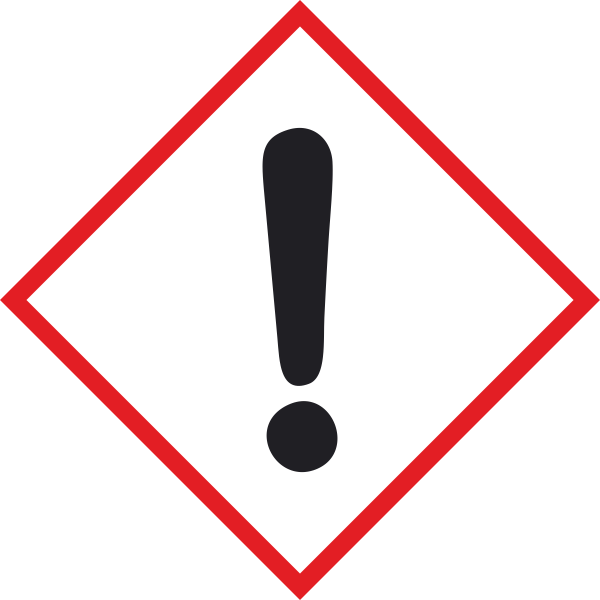
|
| Signal word | Warning |
| HS Code | 2932999099 |
| Flash point | 108℃ |
| Storage Temp. | Store at room temperature. |
| Storage Class | 6.1(b) |
| Packaging | Glass bottle |
| UN Number | 2810 |
Description
Recommended products
Nicergoline 98.0%(HPLC)
Application
4-Ethylguaiacol has been identified as one of the key flavor components in green tea[2] red wine[1]and soy sauce.
Purpose
For R&D use onlynot for drug household or other uses.
General Description
4-Ethylguaiacol often abbreviated to 4-EG is a phenolic compound with the molecular formula C9H12O2. It is produced along with 4-ethylphenol (4-EP) in wine and beer by the spoilage yeast Brettanomyces. When it is produced by the yeast to concentrations greater than the sensory threshold of 600 gL it can contribute bacon spice clove or smoky aromas to the wine. On their own these characters can be quite attractive in a wine however as the compound usually occurs with 4-EP whose aromas can be more aggressive the presence of the compound often signifies a wine fault. The ratio in which 4-EP and 4-EG are present can greatly affected the organoleptic properties of the wine.
Documents
| SDS |
| COA |
| Specification |
| Bulk quote order form |