
Chloromethane Pharmaceutical Reference Standard
Properties
| Vapour pressure | 3796 mmHg ( 20 ℃) |
| Autoignition temp. | 1169 ℉ |
| Explosion limit | 19 % |
| Refractive index | 1.331 |
| B pt. | ?24.2 ℃ (lit.) |
| M pt. | 97 ℃(lit.) |
| Density | 0.915 g/mL at 25 ℃ (lit.) |
Safety Information
| Hazard Statement(s) | H220 - H280 - H351 - H361fd - H373 - H420 |
| Precautionary Statement | P201 - P202 - P260 - P308 + P313 - P410 + P403 - P502 |
| Symbol |
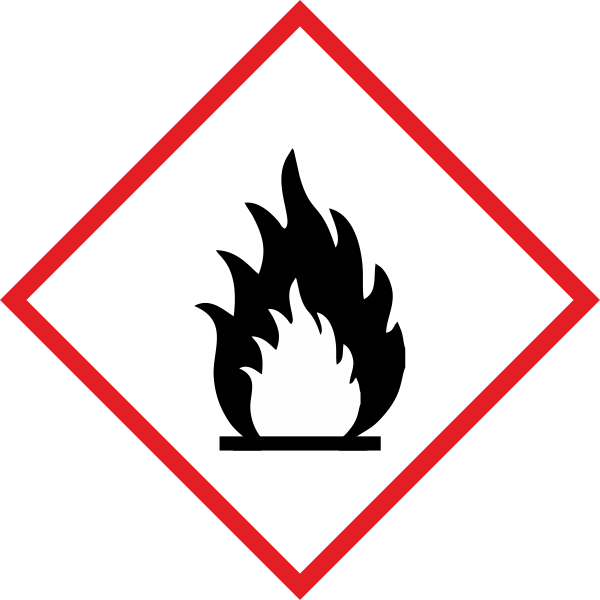
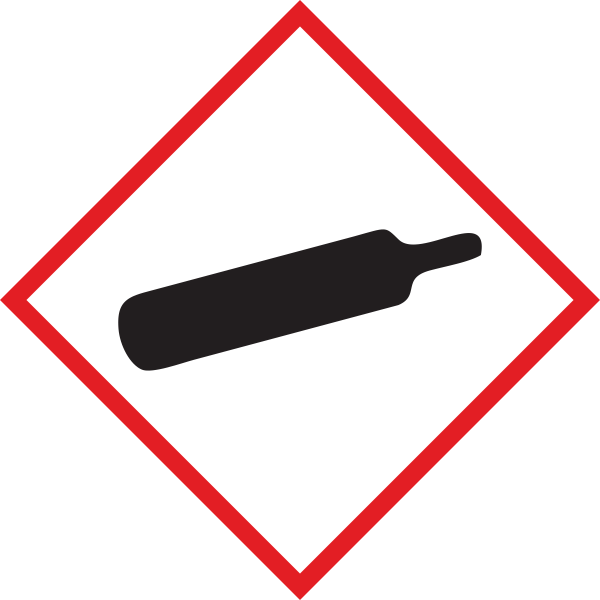


|
| Signal word | Danger |
| HS Code | 2903110000 |
| Flash point | -46℃ |
| Storage Temp. | 2-8℃ |
| Storage Class | 2 |
| Packaging | Glass Bottle |
| UN Number | 1063 |
Description
Recommended products
Chlorotriphenylsilane 96%
Application
Chloromethane also called methyl chloride Refrigerant-40 R-40 or HCC 40 is a chemical compound of the group of organic compounds called haloalkanes. It was once widely used as a refrigerant. It is a colorless extremely flammable gas with a mildly sweet odor which is however detected at possibly toxic levels. Due to concerns about its toxicity it is no longer present in consumer products
Purpose
For R&D use onlynot for drug household or other uses.
General Description
Conversion of chloromethane over metal-exchanged zeolite ZSM-5 catalyst with alkaline earth metals and some transition metals has been studied[2]. Chloromethane has been reported as chemical intermediate during the production of gasoline from methane. Catalytic conversion of chloromethane over HSAPO-34 to light olefins has been studied byin situFTIR spectroscopy and catalytic testing
Documents
| SDS | |
| COA | |
| Specification | |
| Bulk quote order form |