
Diallyl Disulfide Tech. 80% Remainder Mainly Diallyl Sulfide And Diallyl Trisulfide
Synonym: Allyl disulfide
Linear Formula:
C6H10S2
Molecular Weight: 146.27g/mol
CAS Number: 2179-57-9
Properties
| Vapour pressure | 1 mm Hg ( 20 ℃) |
| Refractive index | n20/D 1.541 (lit.) |
| B pt. | 180-195 ℃ (lit.) |
| Density | 1.008 g/mL at 25 ℃ (lit.) |
Safety Information
| Hazard Statement(s) | H301 - H315 - H319 - H335 |
| Precautionary Statement | P301 + P310 + P330 - P302 + P352 - P305 + P351 + P338 |
| Symbol |
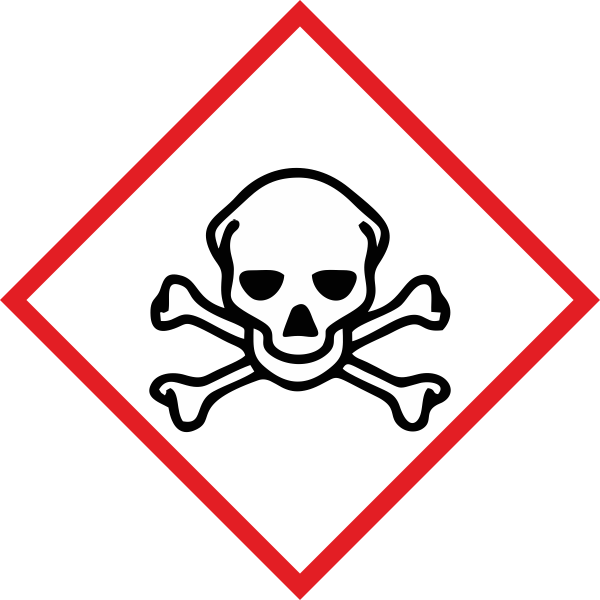
|
| Signal word | Danger |
| HS Code | 3911900004 |
| Flash point | 62℃ |
| Storage Temp. | 0-10℃ |
| Storage Class | 6.1 |
| Packaging | Glass Bottle |
| UN Number | 2810 |
Description
Recommended products
Dl-2-Allylglycine 98.0%(HPLC)
Application
Highly diluted it is used as a flavoring in food. It decomposes in the human body into other compounds such as allyl methyl sulfide.
Purpose
For R&D use onlynot for drug household or other uses.
General Description
Diallyl disulfide (DADS or 45-dithia-17-octadiene) is an organosulfur compound derived from garlic and a few other genus Allium plants. Along with diallyl trisulfide and diallyl tetrasulfide it is one of the principal components of the distilled oil of garlic. It is a yellowish liquid which is insoluble in water and has a strong garlic odor. It is produced during the decomposition of allicin which is released upon crushing garlic and other plants of the Alliaceae family. Diallyl disulfide has many of the health benefits of garlic but it is also an allergen causing garlic allergy.
Documents
|
COA Not Available |
|
| SDS | |
| COA | |
| Specification | |
| Bulk quote order form |