
Lead(Ii) Acetate Trihydrate 99%
99%
Synonym: Acetic Acid Lead(II) Salt Trihydrate
Linear Formula:
Pb(CH3CO2)2 · 3H2O
Molecular Weight: 379.34g/mol
CAS Number: 6080-56-4
Properties
| Assay Purity | 0.99 |
| B pt. | 280℃ |
| M pt. | 75 ℃(dec.)(lit.) |
| Density | 2.55 g/cm3 |
Safety Information
| Hazard Statement(s) | H318 - H360Df - H373 - H410 |
| Precautionary Statement | P201 - P202 - P273 - P280 - P305 + P351 + P338 - P308 + P313 |
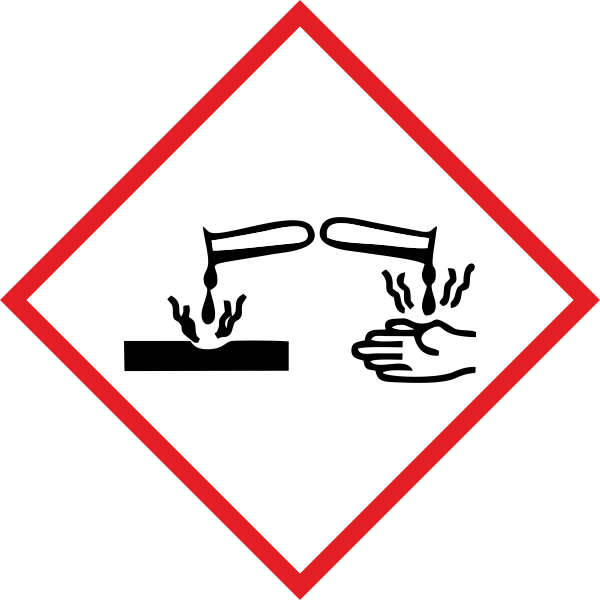
| Symbol |


|
| Signal word | Danger |
| HS Code | 29152900 |
| Flash point | 40℃ |
| Storage Temp. | 2-8℃ |
| Storage Class | 6.1 |
| Packaging | Poly Bottle |
| UN Number | 1616 |
Description
Recommended products
Lead(Iv) Acetate 96% (Dry Wt.) Stab. With 5-10% Glacial Acetic Acid
Application
The substance is used as a reagent to make other lead compounds and as a fixative for some dyes. In low concentrations it is the principal active ingredient in progressive types of hair colouring dyes. Lead(II) acetate is also used as a mordant in textile printing and dyeing as a drier in paints and varnishes and in preparing other lead compounds. It was historically used as a sweetener and for cosmetics.
Purpose
For R&D use onlynot for drug household or other uses.
General Description
Lead(II) acetate (Pb(CH3COO)2) also known as lead acetate lead diacetate plumbous acetate sugar of lead lead sugar salt of Saturn and Goulards powder is a white crystalline chemical compound with a sweetish taste. It is made by treating lead(II) oxide with acetic acid. Like other lead compounds it is toxic. Lead acetate is soluble in water and glycerin. With water it forms the trihydrate Pb(CH3COO)23H2O a colourless or white efflorescent monoclinic crystalline substance.
Documents
| SDS | |
| COA | |
| Specification | |
| Bulk quote order form |