
n-Butyl Alcohol PurSolv for HPLC GC and spectrophotometry 99.9%
99.9%
Properties
| Vapour pressure | 5.5 mmHg |
| Water Solubility | Soluble |
| Autoignition temp. | 649 ℉ |
| Explosion limit | 11.2 % |
| Assay Purity | ?99.9% |
| Refractive index | n20/D 1.399 (lit.) |
| B pt. | 116-118 ℃ (lit.) |
| M pt. | 90 ℃(lit.) |
| Density | 0.81 g/mL at 25 ℃ (lit.) |
Safety Information
| Hazard Statement(s) | H226 - H302 - H315 - H318 - H335 - H336 |
| Precautionary Statement | P210 - P233 - P280 - P301 + P312 - P303 + P361 + P353 - P305 + P351 + P338 |
| Symbol |
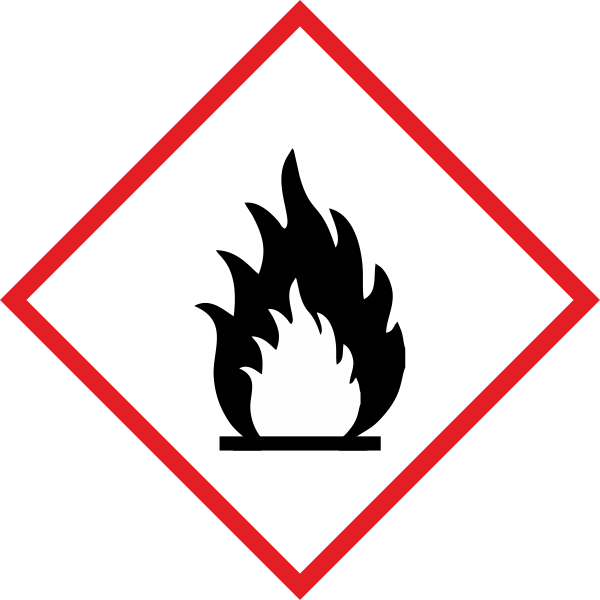
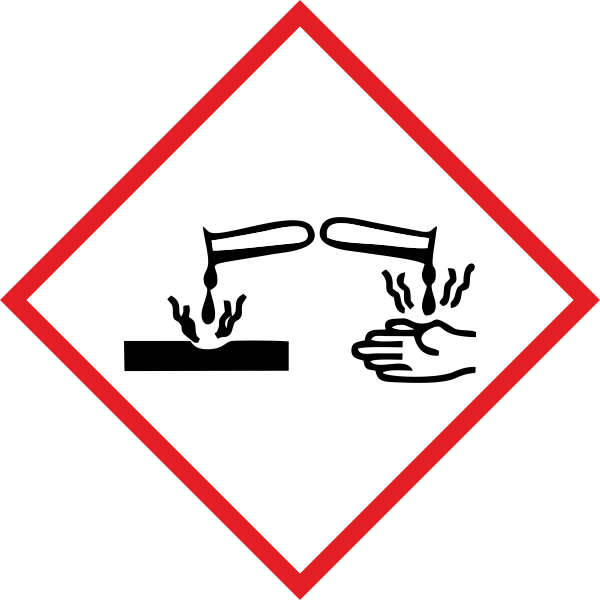
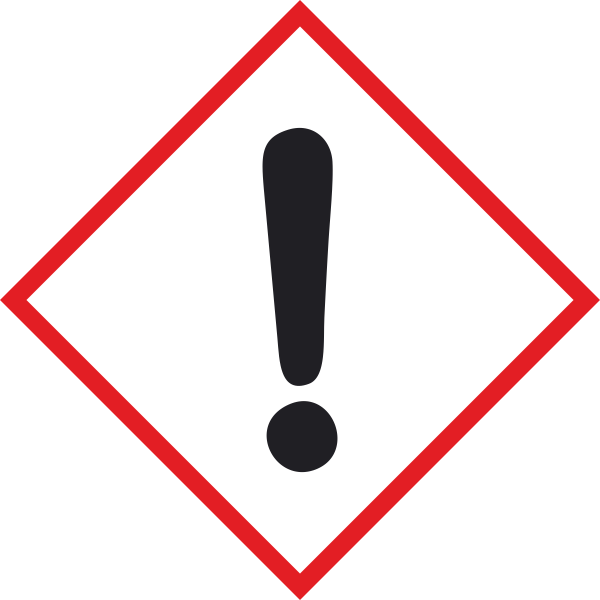
|
| Signal word | Danger |
| HS Code | 2905130000 |
| Flash point | 35℃ |
| Storage Temp. | Store at Room Temperature. |
| Storage Class | 3 |
| Packaging | Glass Bottle |
| UN Number | 1120 |
Description
Recommended products
4-Chloro-2-(Trifluoromethyl)Phenylboronic Acid (Contains Varying Amounts Of Anhydride)
Application
1-Butanol may be used as a solvent for the deoxygenation ofO-protected alcohols via Barton-McCombie protocol.
Purpose
For R&D use onlynot for drug household or other uses.
General Description
n-Butanol or n-butyl alcohol or normal butanol is a primary alcohol with a 4-carbon structure and the chemical formula C4H9OH. Its isomers include isobutanol 2-butanol and tert-butanol. Butanol is one of the group of fusel alcohols (from the German for bad liquor) which have more than two carbon atoms and have significant solubility in water.
Documents
| SDS | |
| COA | |
| Specification | |
| Bulk quote order form |