
Pyridinium Dichromate 98%
98%
Synonym: Cornforth Reagent
Linear Formula:
C10H12Cr2N2O7
Molecular Weight: 376.204 g/mol
CAS Number: 20039-37-6
Properties
| Water Solubility | Soluble |
| Assay Purity | 0.98 |
| M pt. | 149℃ |
Safety Information
| Hazard Statement(s) | H228 - H272 - H314 - H317 - H350i - H410 |
| Precautionary Statement | P210 - P260 - P280 - P303 + P361 + P353 - P304 + P340 + P310 - P305 + P351 + P338 |
| Symbol |
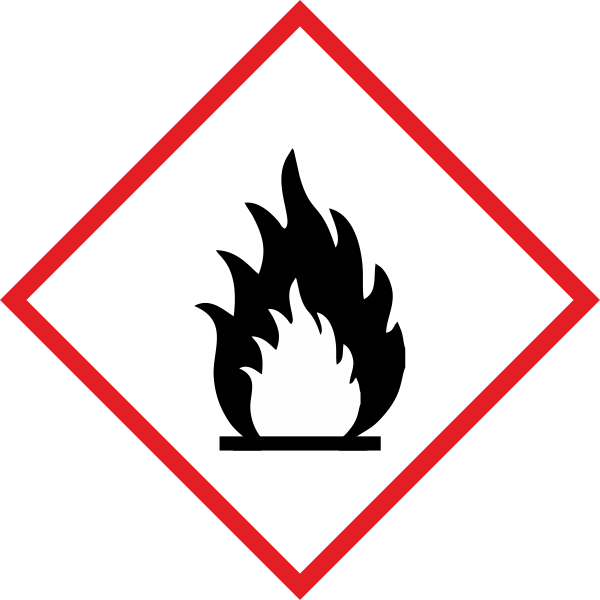
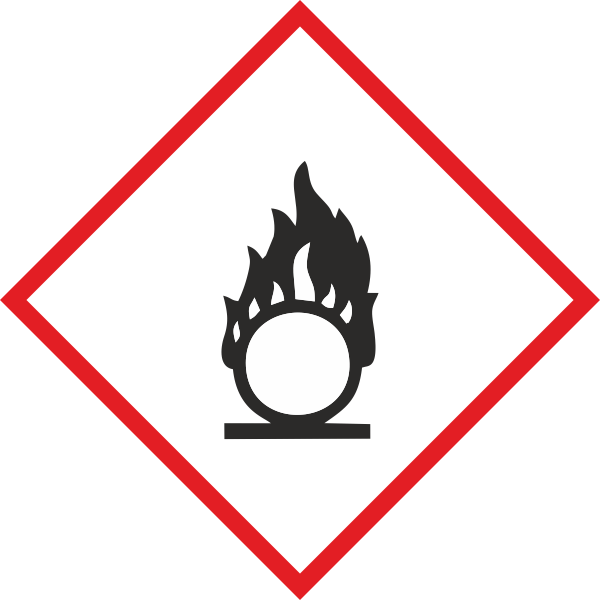
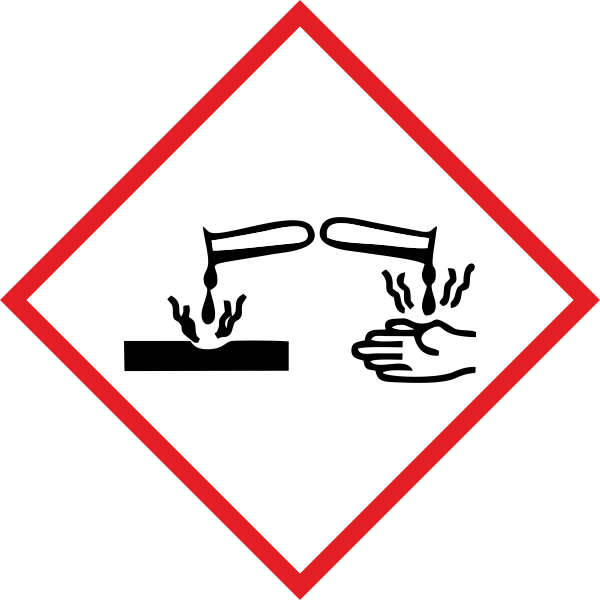

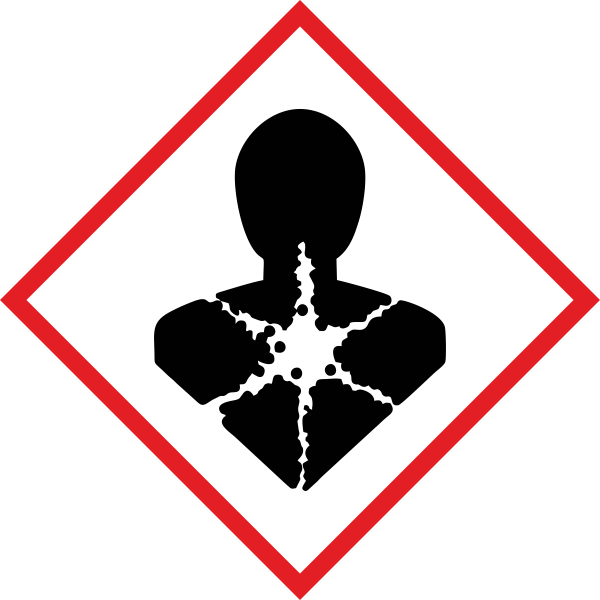

|
| Signal word | Danger |
| Storage Temp. | Store under inert gas |
| Storage Class | 5.1 |
| Packaging | Glass bottle |
| UN Number | 1479 |
Description
Recommended products
Cornforth Reagent
Application
Oxidizing agent for conversion of primary alcohols to aldehydes and ketonesacetals to estersand didehydroketones to enonesin the presence oftert-butyl hydroperoxide
General Description
The Cornforth reagent or pyridinium dichromate (PDC) is a pyridinium salt of dichromate with the chemical formula [C5H5NH]2[Cr2O7]. This compound is named after the Australian-British chemist Sir John Warcup Cornforth (b. 1917) who introduced it in 1962. The Cornforth reagent is a strong oxidizing agent which can convert primary and secondary alcohols to aldehydes and ketones respectively. In its chemical structure and functions it is closely related to other compounds made from hexavalent chromium oxide such as pyridinium chlorochromate and Collins reagent. Because of their toxicity these reagents are rarely used nowadays.
Documents
| SDS |
| COA |
| Specification |
| Bulk quote order form |