
Acetic acid PurReagent 99%
99%
Synonym: Glacial acetic acid
Linear Formula:
C2H4O2
Molecular Weight: 60.05g/mol
CAS Number: 64-19-7
Properties
| Vapour pressure | 11.4 mmHg ( 20 ℃) |
| Water Solubility | Completely miscible |
| Autoignition temp. | 800 ℉ |
| Explosion limit | 16 %, 92 ℉ |
| Assay Purity | ?99% |
| Refractive index | n20/D 1.371 (lit.) |
| B pt. | 117-118 ℃ (lit.) |
| M pt. | 16.2 ℃(lit.) |
| Density | 1.049 g/mL at 25 ℃ (lit.) |
Safety Information
| Hazard Statement(s) | H226 - H314 |
| Precautionary Statement | P210 - P233 - P240 - P280 - P303 + P361 + P353 - P305 + P351 + P338 |
| Symbol |
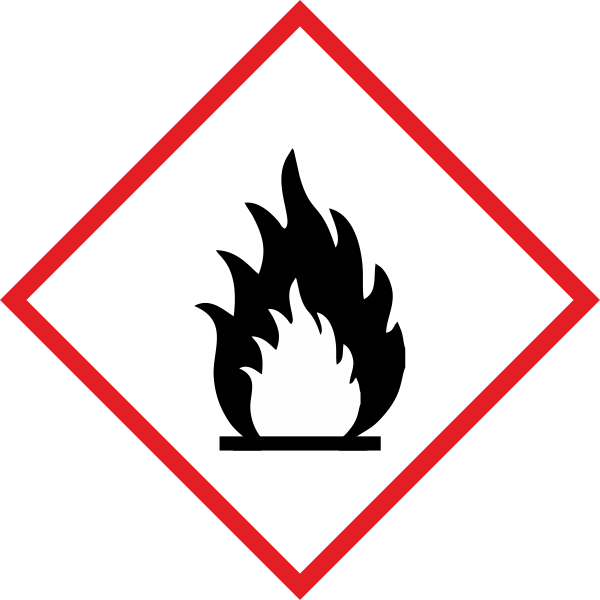

|
| Signal word | Danger |
| HS Code | 29152100 |
| Flash point | 39℃ |
| Storage Temp. | Store at Room Temperature. |
| Storage Class | 8 |
| Packaging | Glass Bottle |
| UN Number | 2789 |
Description
Recommended products
Acetonitrile ACS Reagent 99.5%
Application
Acetic Acid is a common chemical reagent used in a multitude of organic reactions. It is the primary constituent of vinegar contributing to its distinct taste and odor. It is used in the synthesis of dye-sensitized solar cells.
Purpose
For R&D use onlynot for drug household or other uses.
General Description
Acetic acid is an aliphatic organic acid.It is a hygroscopic corrosive liquid with a vinegar-like odor.It can be synthesized by oxidizing acetaldehyde in the presence of manganese or cobalt salts.It is utilized for synthesizing acetic anhydride cellulose acetate and acetic esters.[3]Its impact on the degradation of historic paper has been analyzed.
Documents
| SDS | |
| COA | |
| Specification | |
| Bulk quote order form |